
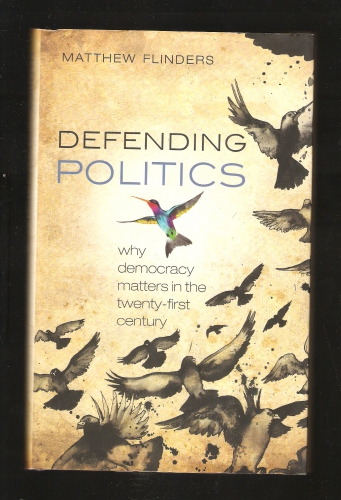
If the twentieth century witnessed the triumph of democracy then something appears to have gone seriously wrong. Citizens around the world have become distrustful of politicians, sceptical about democratic institutions, and disillusioned about the capacity of democratic politics to resolve pressing social concerns. This shift in global attitudes has been explored in a vast body of writing that examines the existence of 'disaffected democrats' and 'democratic deficits'. Defending Politics meets this contemporary pessimism about the political process head on. In doing so, it aims to cultivate a shift from the bland and fatalistic 'politics of pessimism' that appears to dominate public life towards a more buoyant and engaged 'politics of optimism'.
Matthew Flinders makes a highly unfashionable but incredibly important argument of almost primitive simplicity: democratic politics delivers far more than most members of the public appear to acknowledge and understand. If more and more people are disappointed with what modern democratic politics delivers then is it possible that the fault lies with those who demand too much, fail to acknowledge the essence of democratic engagement and ignore the complexities of governing in the twentieth century rather than with democratic politics itself? Is it possible that the public in many advanced liberal democracies have become 'democratically decadent' in the sense that they take what democratic politics delivers for granted? Would politics be interpreted as failing a little less if we all spent a little less time emphasising our individual rights and a little more time reflecting on our responsibilities to society and future generations?